
Oxycodone is an opioid drug prescribed to treat severe and chronic pain. It is a favored drug by opiate addicts because it produces effects similar to heroin if taken in high enough doses or abused via alternative methods of ingestion such as crushing and snorting the pills or diluting and injecting them. In fact, oxycodone is famously known on the street as “hillbilly heroin” or “white collar heroin”.
Methadone detoxification treatment for oxycodone can be as effective as it is for heroin and in recent years these types of services have been aligned with mainstream medical practices that make them more acceptable and accessible to the millions of Americans who need it.
Oxycodone Addiction
Many individuals have been prescribed oxycodone and found it difficult to stop using after the original issues of pain were resolved. As tolerance and dependence to oxycodone increases and continues to develop, most people, no matter how motivated to quit, will continue using oxycodone to avoid withdrawals or relapse after repeated detox attempts.
According to the 2014 National Drug Threat Assessment, total U.S. seizures for oxycodone increased from 102,361.8 kilograms in 2009 to 1,194,747.8 kilograms in 2013,an 1167%rise, that reflects the comparable rises in addictions and oxycodone diversions to the street.
Oxycodone addiction, like heroin addiction, changes the person’s ability to function physically, emotionally, psychologically, and socially. It can take control of them in manners that many of us find hard to contemplate. They may lose their identity, their dignity, their feelings of self worth, and become caught up in cycles of intoxication and withdrawal episodes that force them into behaviors they could never imagine doing before.
Methadone Detoxification
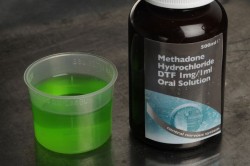
Methadone detox helps reduce cravings.
The goals of methadone detoxification are primarily focused on keeping the person engaged in the detoxification process by reducing the cravings and withdrawals while eliminating the use of short acting opioids such as oxycodone.
Methadone is a synthetic long acting opioid agonist that can relieve the intensity of cravings and withdrawals for 24 hours or longer. It acts similar to oxycodone and heroin, although much slower, by attaching to and occupying the same opioid receptors in the brain. Methadone continues to work because it is stored in the liver and blood stream until needed and effectively, is able to block out any other opioids to deter their abuse.
This helps the person get through the detox process which, in many cases, becomes so overwhelming that they return to using the opioid drugs, prematurely. Methadone detoxification can be used for the acute oxycodone withdrawals and gradually tapered off after a few days or it can be extended up to 180 days in an Opioid Treatment Program (OTP).
Oxycodone Withdrawals
Oxycodone withdrawals will be different in everyone and range in severity, symptoms, and duration. Depending on the levels of dependence, the person’s physical and mental health status, methods, patterns, and durations of oxycodone use, the most common symptoms include:
- Intense cravings
- Anxiety
- Nausea
- Vomiting
- Diarrhea
- Body pains
- Muscle Spasms
- Uncontrollable yawning
- Runny nose and teary eyes
- Fatigue and weakness
- Goosebumps
- Elevated heart rate and blood pressure
The acute physical symptoms of oxycodone withdrawals may dissipate on their own after several days of opiate abstinence, but, the cravings and the psychological developments are not so easily managed. Most opiate addicts will relapse within the first months after detox because of the lingering effects. This is where longer term methadone detoxification plays its most beneficial role.
How Methadone Detoxification Helps with Oxycodone Withdrawal
According to the SAMSA’s TIP #45,”A successful detoxification process can be measured, in part, by whether an individual who is substance dependent enters and remains in some form of substance abuse treatment/rehabilitation after detoxification.”
The most rapid methadone detoxification regimes take 7–21 days while long term detox treatment can take up to 6 months at which time an individual may elect to continue using methadone for maintenance therapy.
Methadone detoxification helps with oxycodone withdrawal by:
- Reducing cravings so the person can focus on more important and productive things.
- Reducing anxiety, irritation, restlessness, and insomnia.
- Reducing pain and other withdrawal symptoms to relieve distress and discomfort to keep the person engaged in the detoxification treatment process.
- Providing safety, medical supervision, drug monitoring, and appropriate dosing contributes to the successful outcome of treatment.
- Reducing relapse potentials and the risk of oxycodone overdose.
- Blocking the effects of oxycodone and other short acting opioids to deter their abuse and reduce physical dependency.
- Eliminating the repeat cycles of oxycodone intoxications and withdrawals so the chemical imbalances in the brain can re-stabilize and the person can regain a sense of control in their life.
- Assessing health risks and providing referrals to address critical needs of medical and psychiatric care including testing and addressing needs for infectious diseases such as AIDs, hepatitis, and HIV.
- Reducing IV use, needle sharing, and the spread f diseases.
- Reducing unwanted, immoral, criminal, or dangerous behaviors.
- Counseling and psychosocial support are advocated for early introduction into an OTP to lessen the intensity of co-occurring disorders, social, legal, family, environmental, and other issues associated with opioid abuse.
- Management of oxycodone withdrawals that can be triggered long after the last dose giving the person the time they truly need to recover however long it may be.
 Top 5 Tips for Getting Off Oxycodone -
Learn the best ways to get off oxycodone without having to deal with painful withdrawal symptoms.
Top 5 Tips for Getting Off Oxycodone -
Learn the best ways to get off oxycodone without having to deal with painful withdrawal symptoms.  Benefits of Inpatient Oxycodone Addiction Treatment -
Inpatient oxycodone addiction treatment is an excellent and proven way for individuals to come clean from oxycodone. Oxycodone is an extremely intoxicating and addictive drug. Oxycodone is typically found in oral pain relievers that are prescribed from a person’s doctor to help that person with moderate to severe pain. Common prescribed medications that contain oxycodone ...
Benefits of Inpatient Oxycodone Addiction Treatment -
Inpatient oxycodone addiction treatment is an excellent and proven way for individuals to come clean from oxycodone. Oxycodone is an extremely intoxicating and addictive drug. Oxycodone is typically found in oral pain relievers that are prescribed from a person’s doctor to help that person with moderate to severe pain. Common prescribed medications that contain oxycodone ...  Signs Your Loved One Needs Treatment for Oxycodone Addiction -
Oxycodone is an opiate analgesic that is often prescribed for moderate to severe pain. Because the drug is habit-forming, patients are told not to deviate from the prescribed dosage they are given. However, addiction does occur and treatment at a rehab facility can be necessary when abuse gets out of hand. Here are some of ...
Signs Your Loved One Needs Treatment for Oxycodone Addiction -
Oxycodone is an opiate analgesic that is often prescribed for moderate to severe pain. Because the drug is habit-forming, patients are told not to deviate from the prescribed dosage they are given. However, addiction does occur and treatment at a rehab facility can be necessary when abuse gets out of hand. Here are some of ...  What to Expect When You Detox from Oxycodone -
Oxycodone is a very strong opioid narcotic drug used to relieve minor to chronic and severe pain. It is prescribed by physicians for many types of pain relief such as pain from injuries, sprains, dental pain and other pain caused by illnesses. It is much stronger than over the counter pain relievers like aspirin, acetaminophen ...
What to Expect When You Detox from Oxycodone -
Oxycodone is a very strong opioid narcotic drug used to relieve minor to chronic and severe pain. It is prescribed by physicians for many types of pain relief such as pain from injuries, sprains, dental pain and other pain caused by illnesses. It is much stronger than over the counter pain relievers like aspirin, acetaminophen ...  Maintaining Recovery After Oxycodone Addiction Treatment -
Oxycodone addiction occurs after repeat use and misuse of oxycodone painkillers which are opioid drugs that have similar effects as heroin. In fact, oxycodone is known on the street as “hillbilly or white collar heroin” and has been an overwhelming concern as more people become addicted to controlled prescription drugs (CPD’s) and gain access to ...
Maintaining Recovery After Oxycodone Addiction Treatment -
Oxycodone addiction occurs after repeat use and misuse of oxycodone painkillers which are opioid drugs that have similar effects as heroin. In fact, oxycodone is known on the street as “hillbilly or white collar heroin” and has been an overwhelming concern as more people become addicted to controlled prescription drugs (CPD’s) and gain access to ...