
Are OxyContin and oxycodone the same? As far as ingredients go, yes; these two drugs contain the same active ingredient. In terms of drug effects and drug uses, surprisingly no.
OxyContin exists as a brand name formulation of oxycodone. According to the University of Maryland, oxycodone, a naturally derived opium plant alkaloid works as the sole active ingredient in OxyContin. At this point, the similarities between OxyContin and oxycodone start to diverge.
As a base ingredient, oxycodone can be used alongside a handful of non-opiate pain relievers, such as aspirin, ibuprofen and acetaminophen. The combination of oxycodone with non-opiate agents produces yet another line of brand name drugs, some of which include Tylox, Percodan and Percocet.
Whether using OxyContin or oxycodone, the risk of abuse and addiction applies for both drugs, though they do differ in strength and overall addiction potential. Ultimately, the difference between Oxycontin and oxycodone lies in how each drug relieves pain symptoms and their overall intended effects.
We can help you find OxyContin and oxycodone addiction treatment. Call 888-810-2643 today.
Oxycodone’s Base Effects
Like most every other opiate on the market, oxycodone essentially hijacks brain cell functions and interferes with nerve pain signal transmissions throughout the central nervous system (CNS). Oxycodone’s pain relieving effects result from the massive amounts of endorphin chemicals released throughout the brain and CNS. These same effects also account for the feelings of calm and euphoria experienced from taking the drug.
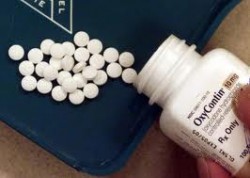
OxyContin is a brand name drug which contains oxycodone.
Along with acting as the brain’s chemical messaging system, endorphins are the body’s own natural “feel good” chemicals. Not only does oxycodone create its own “feel good” effect, but also kicks the body’s natural pain relief system into gear.
Oxycodone’s addictive properties take root within the brain’s reward pathway once the drug’s effects have all but reconfigured chemical process throughout the brain. Once a person becomes addicted to oxycodone, he or she remains at the mercy of the drug’s effects as brain cell functions continue to deteriorate with ongoing use.
Oxycodone use is dangerous. Call 888-810-2643 for help quitting oxycodone today.
Drug Effect Differences
OxyContin and oxycodone differ most in the types of effects each drug produces. In general, oxycodone delivers relief from pain symptoms on a short-term basis. Oxycodone takes effect within 15 to 30 minutes and offers pain relief for up to four hours.
OxyContin is formulated to produce pain-relieving effects for an extended period of time. OxyContin’s chemical structure comes with a built-in time-release mechanism that triggers brain cell endorphin secretions on a continuous basis. Rather than four hours of pain relief, users can expect up to 12 hours of relief from pain.
Addiction Risks
When abusing oxycodone or OxyContin, users typically crush up the drug tablet and smoke, snort or inject the drug. Engaging in this form of drug abuse with oxycodone carries of high risk of addiction. With OxyContin, the addiction risk increases exponentially.
OxyContin’s built-in time-release mechanism becomes null and void when crushed up into powder form. In effect, users experience the full force of the drug all at once compared to oxycodone’s short-term pain relief effects.
Even in cases where users abuse either drug as-is, in tablet form, OxyContin still carries a higher risk of addiction due to the incredible strain the drug places on brain cell functions. Ultimately, any form of drug use that veers outside prescription guidelines places a person at considerable risk of ongoing abuse and eventual addiction.
 Five Reasons Injecting Oxycodone is Dangerous -
Between 2004 and 2008, there was an increase of 111 percent in the number of emergency room visits as a result of the overuse of painkiller drugs, according to Harvard Health Publications. If you choose to administer the oxycodone through an IV, the drug is crushed and diluted with water. Injecting oxycodone or better known ...
Five Reasons Injecting Oxycodone is Dangerous -
Between 2004 and 2008, there was an increase of 111 percent in the number of emergency room visits as a result of the overuse of painkiller drugs, according to Harvard Health Publications. If you choose to administer the oxycodone through an IV, the drug is crushed and diluted with water. Injecting oxycodone or better known ...  Telling the Difference Between Oxycodone Use and Abuse -
Oxycodone is prescribed in order to treat particular health issues and pain, however it can easily lead to an abuse problem.
Telling the Difference Between Oxycodone Use and Abuse -
Oxycodone is prescribed in order to treat particular health issues and pain, however it can easily lead to an abuse problem.  Statistics on Oxycodone Abuse -
Oxycodone is one of the most commonly prescribed drugs to those who are dealing with moderate to severe pain. Unfortunately, there are people who take this drug illegally as they enjoy how it makes them feel. According to statistics compiled by the International Narcotics Control Board, the United States was the top country in terms ...
Statistics on Oxycodone Abuse -
Oxycodone is one of the most commonly prescribed drugs to those who are dealing with moderate to severe pain. Unfortunately, there are people who take this drug illegally as they enjoy how it makes them feel. According to statistics compiled by the International Narcotics Control Board, the United States was the top country in terms ...  Dangers of Taking Oxycodone Without a Prescription -
Abusing oxycodone has many potential consequences you should become aware of.
Dangers of Taking Oxycodone Without a Prescription -
Abusing oxycodone has many potential consequences you should become aware of.  15 Common Dangerous Side Effects of Oxycodone -
Oxycodone is a semi-synthetic opioid used to treat moderate to chronic and severe pain depending on the prescription brands and formulations. Available in prescriptions drugs like Percocet, OxyContin, Roxicodone, and Oxecta; oxycodone is one of the most desirable drugs on the street for abuse and the maintaining of opioid addictions. Diversions of these drugs are continuously ...
15 Common Dangerous Side Effects of Oxycodone -
Oxycodone is a semi-synthetic opioid used to treat moderate to chronic and severe pain depending on the prescription brands and formulations. Available in prescriptions drugs like Percocet, OxyContin, Roxicodone, and Oxecta; oxycodone is one of the most desirable drugs on the street for abuse and the maintaining of opioid addictions. Diversions of these drugs are continuously ...