
Oxycodone, one of the most powerful opiate drugs on the market, is derived from thebaine, a chemical alkaloid found in the opium poppy seed plant. Opiate drugs in general offer effective treatments for conditions involving most all types of pain symptoms.
According to the University of Maryland, oxycodone can be found in a number of prescription medications, some of which include:
- OxyContin
- Percodan
- Percocet
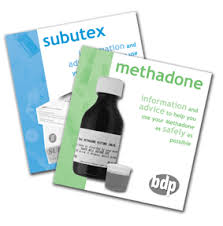
Methadone and Subutex are two common opiate medication therapies.
Oxycodone’s pain-relieving effects can also pose a risk for abuse and addiction. By the time addiction sets in, addicts have an especially difficult time stopping drug use. Maintaining abstinence also presents its own set of challenges. Fortunately, oxycodone addiction treatment can help addicts work through the physical challenges they encounter in recovery.
Oxycodone addiction treatment programs use medication treatments as a way to help recovering addicts overcome persistent withdrawal and drug craving effects. Medications used in oxycodone addiction treatment target various process in the brain, so the severity of a person’s addiction typically determines which type of medication will work best.
Oxycodone Addictions
As one of the most powerful opiate drugs, a person can become dependent on oxycodone within a week’s time when taking multiple doses on a daily basis. Oxycodone causes brain cells sites to release large amounts of neurotransmitter chemicals. These effects account for the feeling euphoria and calm brought on by the drug.
In effect, oxycodone over-stimulates brain cells and gradually warps brain cell structures. Over time, these cells lose their ability to function normally. For many people, the medications administered through oxycodone addiction treatment programs provide the only way of staying drug-free for any length of time.
Purpose of Medication Treatments
Long-term oxycodone use creates a disease-like state within the brain. The damage done to brain structures impairs its ability to regulate bodily processes.
Under these conditions, a person will experience ongoing withdrawal effects and cravings for as long as it takes to repair damaged structures. As a result, recovering addicts remain at high risk of relapse during this time. According to the National Institute on Drug Abuse, medications used in oxycodone addiction treatment help to support and strengthen damaged brain cell functions.
Agonists Medication Treatments
Oxycodone addiction treatment programs use agonist medication treatments on a regular basis, especially in cases of chronic addictions. Agonists medications interact with the same brain cell sites as oxycodone.
Rather than over-stimulating cells, agonist drugs rather meet cells’ “cravings” for opiates without producing addictive effects. In doing so, these medications can help reduce the level of withdrawal and cravings a person experiences.
Agonist medications used in oxycodone addiction treatment include:
- Methadone
- Subutex
- Suboxone
Antagonist Medication Treatments
Like agonist-type medications, antagonist medications also interact with the same cell sites as oxycodone. Instead of soothing cell cravings, antagonist medications deactivate chemical secretions at cell sites. This mechanism of action prevents a person from getting “high” in the event of a relapse.
Antagonist medications used in oxycodone addiction treatment include:
- Nalorphine
- Naloxone
- Naltrexone
- Levallorphan
While Suboxone does work as an agonist drug, it also contains naloxone. In effect, the naloxone ingredient keeps recovering addicts from trying to get “high” off the medication.
 How to Find Help for Oxycodone Abuse -
By accepting that you have a problem and doing your research, you can get the help you need for oxycodone abuse.
How to Find Help for Oxycodone Abuse -
By accepting that you have a problem and doing your research, you can get the help you need for oxycodone abuse.  Why You Should Detox from Oxycodone in a Treatment Center -
Oxycodone hydrochloride is an opioid. It is a controlled substance with potential for addiction, abuse and misuse, and can lead to overdose and death if the prescribed dosage is not properly administered. Physicians are instructed to closely examine several facets regarding the patient they are considering prescribing this medication for, due to the propensity for ...
Why You Should Detox from Oxycodone in a Treatment Center -
Oxycodone hydrochloride is an opioid. It is a controlled substance with potential for addiction, abuse and misuse, and can lead to overdose and death if the prescribed dosage is not properly administered. Physicians are instructed to closely examine several facets regarding the patient they are considering prescribing this medication for, due to the propensity for ...  How to Convince Someone they Need Treatment for an Oxycodone Addiction -
By following these steps, you can help your loved one get the addiction treatment help they need.
How to Convince Someone they Need Treatment for an Oxycodone Addiction -
By following these steps, you can help your loved one get the addiction treatment help they need.  Detox -
Oxycodone is a powerful narcotic painkiller that is commonly prescribed in the treatment of moderate to severe pain. The drug is very habit-forming and can quickly lead to physical dependence which is difficult to cope with and equally difficult to treat. Oxycodone addiction is best treated under the supervision of a healthcare professional often in a hospital ...
Detox -
Oxycodone is a powerful narcotic painkiller that is commonly prescribed in the treatment of moderate to severe pain. The drug is very habit-forming and can quickly lead to physical dependence which is difficult to cope with and equally difficult to treat. Oxycodone addiction is best treated under the supervision of a healthcare professional often in a hospital ...  5 Benefits of Getting Treatment for Oxycodone Addiction -
There have been several surveys showing a significant increase in the prevalence of the nonmedical use of pharmaceutical opioid products such as oxycodone. Oxycodone seduces users into using again because of the effects they feel when experiencing the high it creates. Those who use oxycodone in a recreational way rather than as prescribed medically, experience ...
5 Benefits of Getting Treatment for Oxycodone Addiction -
There have been several surveys showing a significant increase in the prevalence of the nonmedical use of pharmaceutical opioid products such as oxycodone. Oxycodone seduces users into using again because of the effects they feel when experiencing the high it creates. Those who use oxycodone in a recreational way rather than as prescribed medically, experience ...